Notable Benefits of Nickel Alloy AMS 5663 in Aerospace Applications
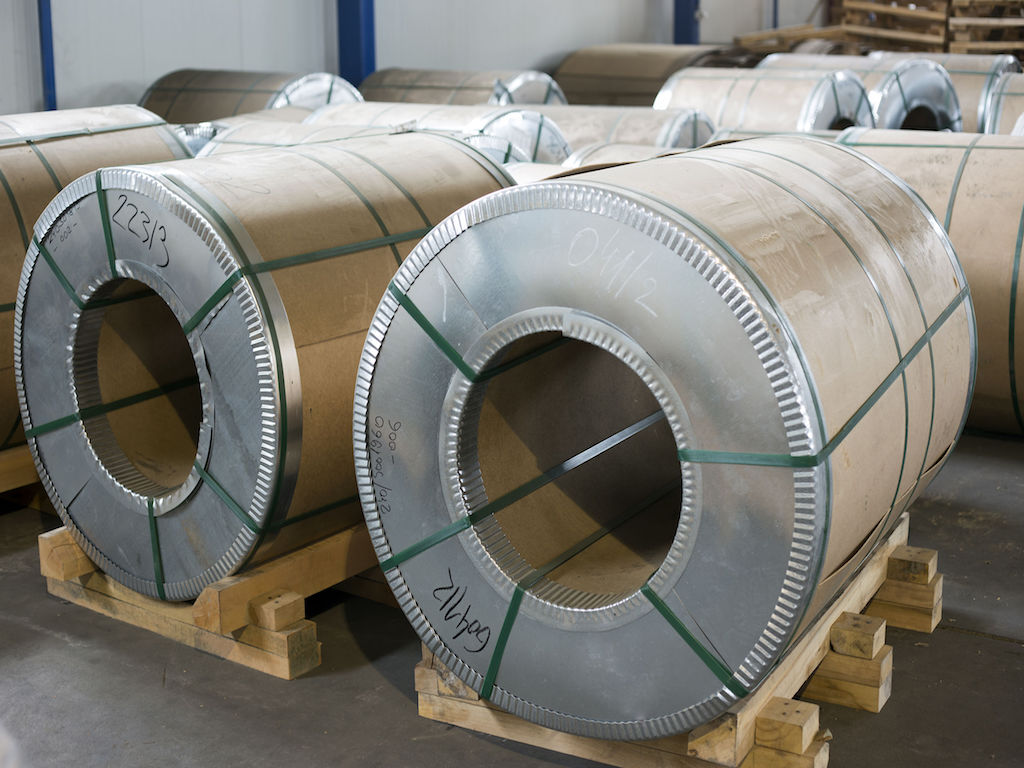
In the aerospace industry, materials need to meet some of the toughest demands: extreme heat, high stress, and constant load cycles. One alloy that consistently proves its worth under these conditions is Nickel Alloy AMS 5663, better known as Inconel 718 in its solution-treated and precipitation‑hardened state. Here’s a closer look at why AMS 5663 is so important for aerospace applications.
What Is AMS 5663?
AMS 5663 is a specification for Alloy 718, a nickel-chromium superalloy that’s been carefully heat-treated to reach its full strength potential. AMS 5663 covers this alloy in forms like bars, forgings, and rings, all in a “solution and precipitation heat-treated” condition.
In simpler terms: AMS 5663 ensures that the material arrives ready to perform — not soft, but hardened and stable.
Exceptional High-Temperature Strength
One of the biggest advantages of AMS 5663 (Inconel 718) is its ability to stay strong even at extremely high temperatures. After proper heat treatment, this alloy delivers very high tensile strength and can handle significant loads at elevated temperatures.
This makes it especially suitable for aerospace engine parts, turbine discs, and casings — components that must resist both high stress and long-term exposure to heat.
Outstanding Creep Resistance
In aerospace environments, “creep” is a common enemy — slow deformation under constant stress, especially at high temperatures. AMS 5663 combats this by forming precipitates during heat treatment, which act as obstacles to deformation.
Because of this microstructure, Alloy 718 can carry heavy loads at high temperatures for extended periods without significant distortion, making it ideal for long-life, high-stress applications.
Excellent Corrosion and Oxidation Resistance
Thanks to its alloying elements — like chromium, molybdenum, and niobium — AMS 5663 offers strong resistance to both corrosion and oxidation.
This means it can better survive harsh environments, including those inside jet engines, gas turbines, and other high-performance aerospace systems. When you need a material that won’t degrade over time, AMS 5663 is a top performer.
Strong Fatigue Performance
Aircraft engine parts undergo repeated cycles of stress — spinning up, slowing down, and thrust changes. AMS 5663 shows great fatigue strength, which is critical for components loaded and unloaded many times during their service life.
Good fatigue resistance ensures these critical parts last longer and maintain safety margins throughout their operating life.
Good Fracture Toughness and Ductility
Even though AMS 5663 is very strong, it still maintains a reasonable level of ductility — meaning it can deform slightly without cracking. Its toughness helps the alloy resist sudden failure, making it safer in applications where unexpected stress or impacts might occur.
Excellent Weldability and Fabrication Options
AMS 5663 is relatively weldable, especially considering its strength and heat resistance. This makes it possible to build or repair large or complex aerospace components without compromising performance.
Moreover, AMS 5663 is available in multiple forms like bars, forgings, and rings, giving engineers flexibility during the design and manufacturing process.
Reliable and Qualified for Aerospace Use
Because AMS 5663 is a well-established aerospace specification, parts made from this alloy often come with rigorous quality control, traceability, and testing.
This reliability simplifies procurement for engineers. When they specify AMS 5663, they know exactly what they’re getting and can trust that parts will perform as expected in harsh, critical conditions.
Real-World Applications in Aerospace
AMS 5663 excels in several aerospace uses:
- Jet Engines: Turbine disks, shafts, and rotating components that need strength, fatigue resistance, and creep resistance.
- Rocket Motors and Turbopumps: Parts that must withstand extreme heat and stress for long periods.
- High-Stress Fasteners & Structural Components: Areas where safety depends on maintaining strength in harsh conditions.
Thanks to its outstanding balance of properties, AMS 5663 is a go-to superalloy in aerospace design.
Why AMS 5663 Matters for Aerospace Manufacturing
AMS 5663 is critical in aerospace manufacturing because it combines:
- High strength + high temperature: Remains strong when other materials might weaken.
- Long-term stability: Excellent creep resistance maintains shape over time.
- Environmental durability: Strong resistance to oxidation and corrosion.
- Performance under cyclic load: Good fatigue behavior reduces failures.
- Repairable and manufacturable: Weldable and available in multiple forms.
- Trusted standard: Aerospace-grade specification ensures consistent quality and traceability.
These advantages make Nickel Alloy AMS 5663 essential for aircraft engines, rocket hardware, and other mission-critical aerospace systems.
If you need high-quality AMS 5663 (Inconel 718) for aerospace manufacturing, consider FlightMetals, a specialty metals supplier known for reliable materials.
